Flap Surgery – Advanced Care for Healthier Gums
Healthy gums play an essential role in supporting teeth and maintaining overall oral health. However, advanced gum disease can cause inflammation, deep periodontal pockets, and damage to the tissues and bone supporting the teeth.
Flap Surgery at Happy Dental Care is a periodontal procedure that may be recommended for patients with advanced gum problems when routine cleaning and non-surgical treatments are not sufficient.
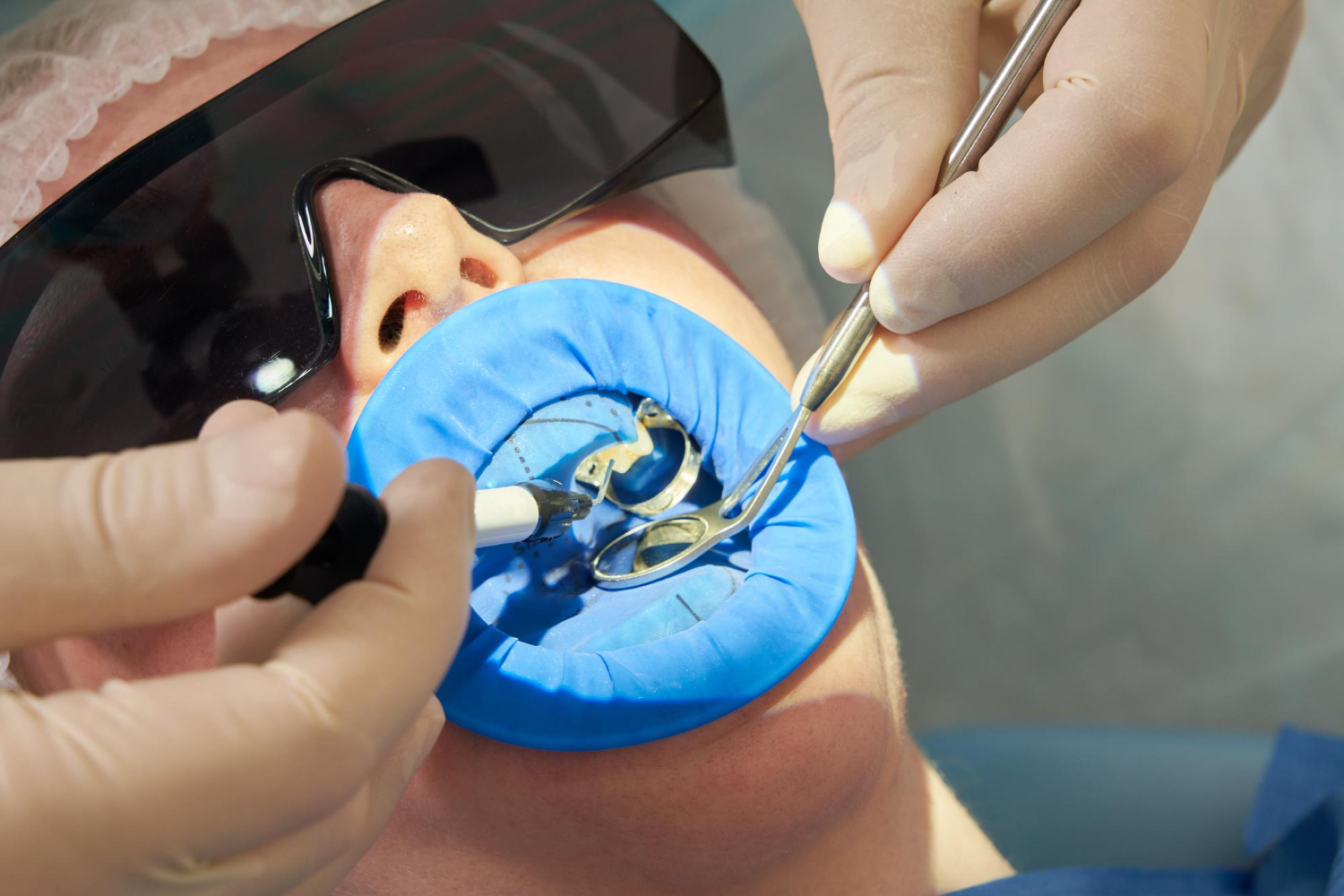
This procedure involves gently lifting a section of gum tissue to access deeper areas around the tooth roots. It allows the dentist to remove accumulated plaque, tartar, and infected tissue from areas that are difficult to clean through conventional methods.
When Is Flap Surgery Recommended?
A dentist may consider flap surgery when a patient has:
Advanced periodontal disease.
Deep gum pockets around the teeth.
Persistent gum inflammation.
Significant tartar deposits beneath the gum line.
Bone loss associated with gum disease.
Periodontal problems that have not responded adequately to non-surgical treatment.
Understanding the Flap Surgery Procedure
The procedure is planned according to the patient’s gum health and the extent of periodontal damage.
1. Initial Gum Evaluation
The dentist examines gum tissues, measures periodontal pockets, and evaluates the supporting structures around the teeth.
2. Local Anaesthesia
Appropriate local anaesthesia is administered to improve comfort during the procedure.
3. Gum Tissue Access
A small incision is made, and the gum tissue is carefully lifted to expose the affected root surfaces and surrounding areas.
4. Deep Cleaning
Plaque, tartar, and diseased tissue are removed from the exposed areas. The root surfaces may also be smoothed when clinically appropriate.
5. Gum Repositioning
The gum tissue is repositioned and secured with stitches to support healing.
Benefits of Flap Surgery
Provides access to deep periodontal pockets.
Helps remove deposits beneath the gum line.
Supports better management of advanced gum disease.
May help reduce periodontal pocket depth.
Helps maintain the supporting tissues around teeth.
Can make ongoing oral hygiene easier in suitable cases.
Recovery and Aftercare
Following flap surgery, patients may experience temporary swelling, tenderness, or mild bleeding. The dentist may recommend suitable medication, a soft-food diet, and specific oral hygiene instructions.
Regular follow-up visits and professional periodontal maintenance are important for monitoring healing and reducing the risk of further gum problems.
Periodontal Care at Happy Dental Care
At Happy Dental Care, we emphasise early identification and appropriate management of gum conditions. Dr. Shilpa Mudiraj evaluates each patient’s periodontal health before recommending treatment.
If you experience bleeding gums, persistent swelling, or loose teeth, a dental examination can help identify the underlying problem and determine whether periodontal treatment is necessary.